Join a gathering.
Expand your circle, exchange ideas and get to know the people behind the businesses. Ask about the next gathering and find one you’d enjoy.
Join via WhatsApp

That’s 3 years of household income at S$8,000 a month, before deductions.
Household income illustration only, before CPF contributions, taxes and spending. This is not the amount available to save or invest.
You pay the bills. You help at home. You try to save. Then another expense comes along, and the money you promised not to touch gets used again.
GIRO payments, groceries, transport, parents’ allowance. You check your balance and start counting the days to the next salary.
Raya spending. A wedding contribution. The fridge breaks. You put money into savings, then keep taking it back out.
You want to help with bills or appointments. Whether you’re single or raising a family, your own plans still need room.
The pay rise came. Instalments, meals out and convenience spending grew too. You earn more, but can’t see what you’ve built.
The useful part of a first conversation is often simply seeing your situation more clearly.
If their situations sound familiar, your own financial picture may be worth looking at properly too.
If my household can set aside
Contributions only. No investment return is assumed.
put aside over 10 years.
This is S$2,000 a month set aside, with no growth assumed. Could this fit after your bills, debt repayments and emergency savings?
Savings illustration only, not a product minimum or investment recommendation. Assumes no withdrawals; excludes returns, fees, inflation and taxes. Your affordable amount may be different.
Money for Raya, school fees or a home deposit already has a job. Before investing, let’s separate what you’ll need soon from what you can leave for longer.
What bills and planned expenses need cash, even in a month when you earn less?
What is each plan meant to pay for? What are the fees, risks and terms if you stop?
If you cannot work, who pays the housing bill and keeps money going to your dependants?
Would your family know where the accounts and policies are, and how to get help?
The next step may be building your cash buffer, reviewing what you already have or considering a suitable investment. It starts with your household’s priorities.
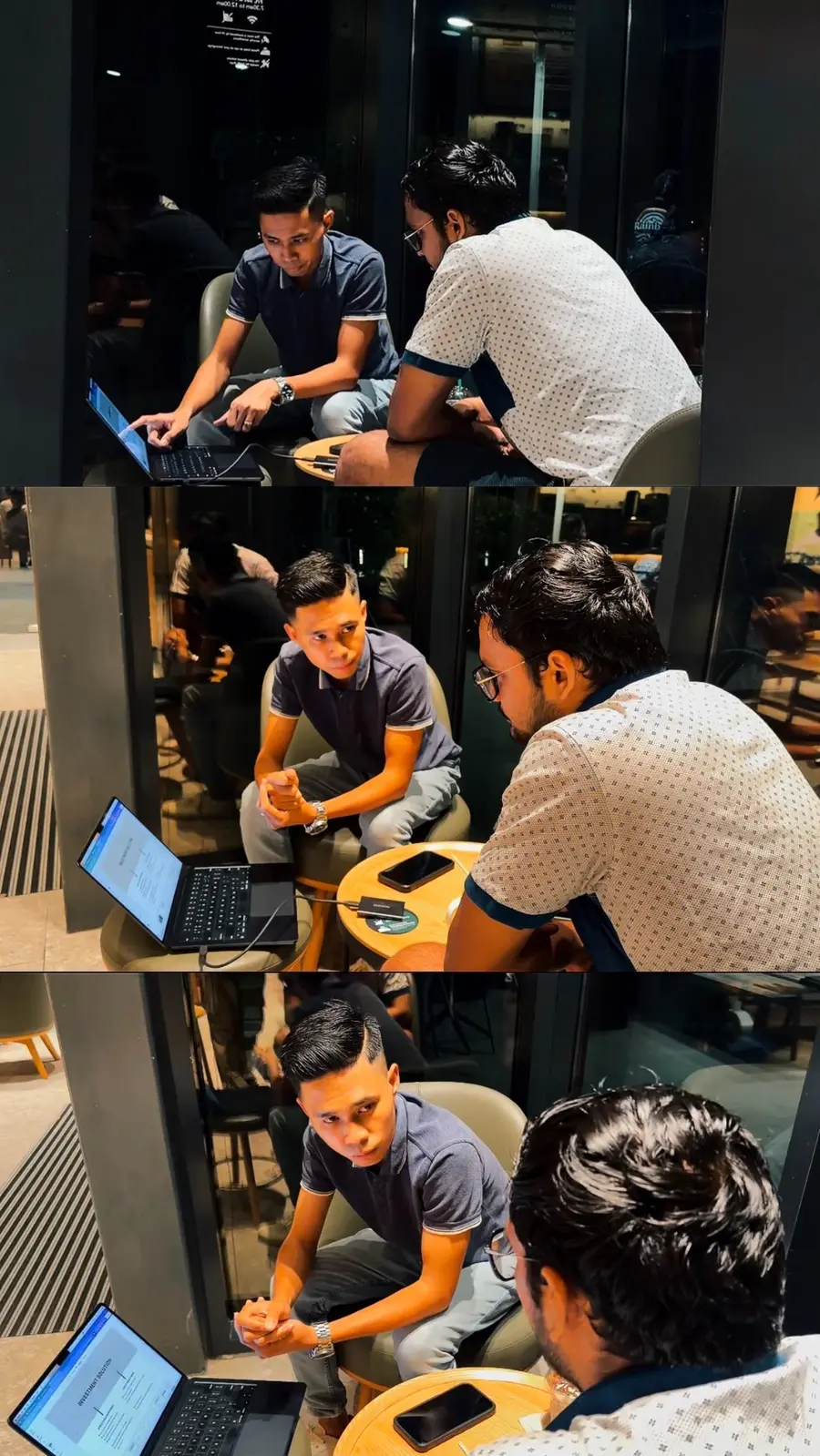
I'm Farhan Jailani, a Wealth Manager with SG Alliance Pte. Ltd. in Singapore.
Before wealth management, I spent more than 13 years across technology, solution architecture and project management.
I bring the same discipline into money decisions. A financial plan can look perfect on paper and still be wrong for the life around it.
And as a husband and father of four, I know these decisions are rarely just about numbers. They are about responsibility, family and what all the effort is ultimately for.
A salary, people depending on you, and plans you keep putting off.
Single and helping at home, planning a wedding or raising children? Start with your actual commitments, even if you already earn well or own investments.
“Does this fit my faith, my budget and my family’s needs?”
Understand what an option invests in, its Shariah screening and certification, risks, fees and withdrawal terms before deciding whether it suits you.
The first conversation may still be possible remotely.
For eligible clients in permitted locations, remote conversations and some onboarding steps may be possible depending on local requirements.
A private 30–45 minute conversation about where your salary goes, what your existing plans do and what you could realistically set aside for your next goal.
Come on your own or with your spouse. Bring a rough idea of your income, monthly payments and any savings, policies or investments you already have.
Regular bills, instalments, family support and the expenses that keep catching you out.
Your savings, insurance and investments. What is each one meant to do?
A goal, a timeline and an affordable amount, with risks, fees and Shariah preferences considered.
Meet professionals and founders beyond your usual circle. I co-founded TBN to bring people together through good conversations, shared experiences and community events.
New to the community? Come along, open your doors or bring an event idea. There’s more than one way to get involved.
Expand your circle, exchange ideas and get to know the people behind the businesses. Ask about the next gathering and find one you’d enjoy.
Join via WhatsAppHave a venue, workspace or experience to share? Bring people into your space and help create a gathering they’ll remember.
Host via WhatsAppBring a workshop, business or community idea. Let’s explore an event that gives people something useful to learn, try or take part in.
Collaborate via WhatsAppTBN is a community initiative, separate from financial advisory services.

Read a few practical pieces first. Come back when you're ready.
A practical look at why income alone does not always create financial progress.
How to think about accessible cash before committing money elsewhere.
Why Faraid, Wasiat, CPF and insurance nominations, property ownership and family liquidity must be looked at together.
Open your banking app. Look at your payments and statements. These questions are easier to answer with the actual numbers in front of you.
Check GIRO payments, card bills, instalments, food and transport. Add help for parents and the spending you forgot to budget for.
The wedding or home, children’s fees, Umrah, retirement. How much of that bank balance belongs to each goal, and when will you need it?
The housing payment, groceries and family support still need covering. How long could your available cash last, and what would your insurance actually cover?
Check your policies and investment statements. What are the fees, current values and withdrawal terms? What happens if you pause or stop payments?
Choose the question you found hardest. That is a useful place to start our conversation, even if your first priority is building savings before you invest.
This is a clickable wireframe state. In production, this opens the approved client video or inline video player. The final wording should use the client’s real words rather than these interview prompts.